

At Binance Blockchain Week, economist Peter Schiff once again ignited controversy as he confronted Changpeng Zhao (CZ), claiming that Bitcoin generates no real economic value and merely serves as a “wealth transfer from buyers to sellers.” However, many of his arguments are considered fundamentally flawed and overlook the economic innovations Bitcoin introduces.
“Bitcoin Only Transfers Wealth”? – A Misleading Argument
During the debate, Schiff stated:
“Bitcoin doesn’t create wealth — it only shifts money from those who buy it to those who sell it… People don’t realize they’ve lost money because prices are still high, but once they sell, they’ll see the loss.”
This logic, however, applies to any freely traded asset — whether gold, stocks, real estate, or fine art. All assets involve shifting value depending on entry and exit prices, but that does not make them zero-sum.
Bitcoin delivers utility beyond price, including:
-
Instant cross-border settlement without banks
-
A censorship-resistant store of value
-
A widely used form of collateral across centralized and decentralized finance
An asset that serves these functions is inherently generating economic value.
“20 Million Bitcoins Created No Wealth”? – An Outdated View of Value

Schiff argues that Bitcoin creates no wealth because it has no physical form. But following this logic, the same would apply to:
-
fiat currency,
-
internet domain names,
-
software,
-
cloud services,
-
and even artificial intelligence.
Yet these intangible systems make up a huge portion of global GDP.
Bitcoin introduced something unprecedented in monetary history:
a digital bearer asset that moves like data, is mathematically verifiable, and requires no intermediaries.
This is similar to digitizing gold — but without the cost of transport, storage, or verification.
New capabilities mean new value.
“People Don’t Realize Their Losses Because Prices Are Still High”?
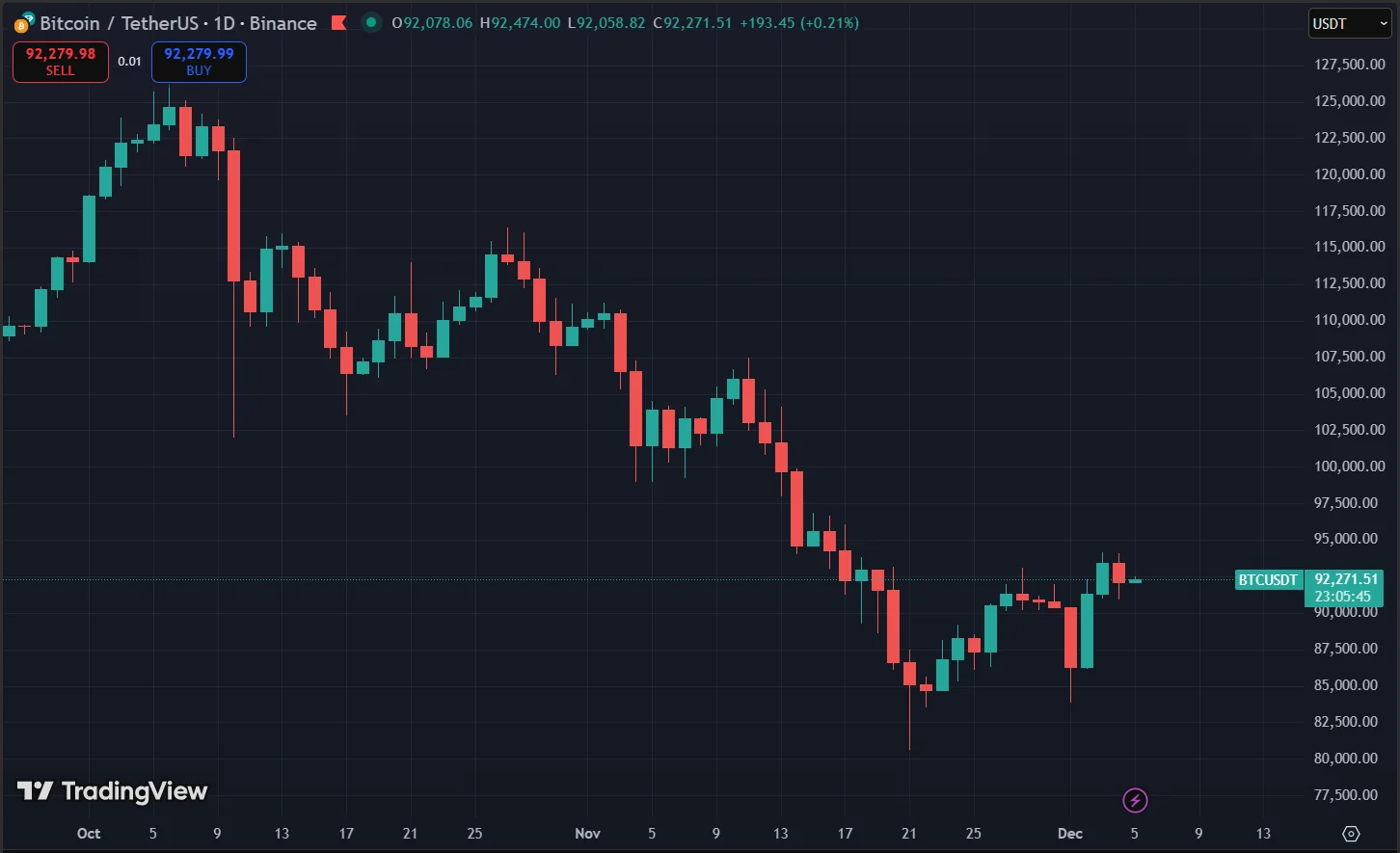
This assumption only holds if Bitcoin inevitably collapses — a prediction, not a fact.
If the network continues expanding, demand remains strong or grows through:
-
Bitcoin ETFs,
-
corporate treasuries,
-
nation-state accumulation,
-
deeper financial integration,
then Schiff’s claim collapses.
Investors only lose if Bitcoin fails as a monetary network. More than 15 years of uninterrupted global adoption suggests the opposite trend.
Conclusion
Peter Schiff remains the leading voice against Bitcoin, and his confrontation with CZ sparked intense debate. But his reasoning overlooks a key fact: Bitcoin is not just a speculative asset, but a functioning global monetary network offering capabilities that no traditional asset can replicate.
The claim that it “creates no wealth” reflects an outdated understanding of value — one that no longer fits the digital age.