
After a blistering rally in 2025, fueled by favorable regulatory developments, the crypto market has started to cool. With momentum fading, many investors are now asking a familiar question: Was that the peak? Or is another bear market already taking shape?
As part of our annual Crypto Crystal Ball series, we take a deeper look at the questions that could define the year ahead for digital assets—and what they mean for investors.
Previously, we examined whether the crypto industry could finally pass its long-awaited market structure bill, and whether Wall Street might soon become the sector’s next major adversary. Today, we turn to another pressing question: Will 2026 be a crypto winter?
Most Experts Say “No”
While analysts differ on how the year will unfold, most agree on one key point: 2026 is unlikely to mark the return of a crypto winter.
“We do not see a crypto winter on the horizon in any sense,” said Zach Pandl, Head of Research at Grayscale, in the firm’s 2026 outlook.
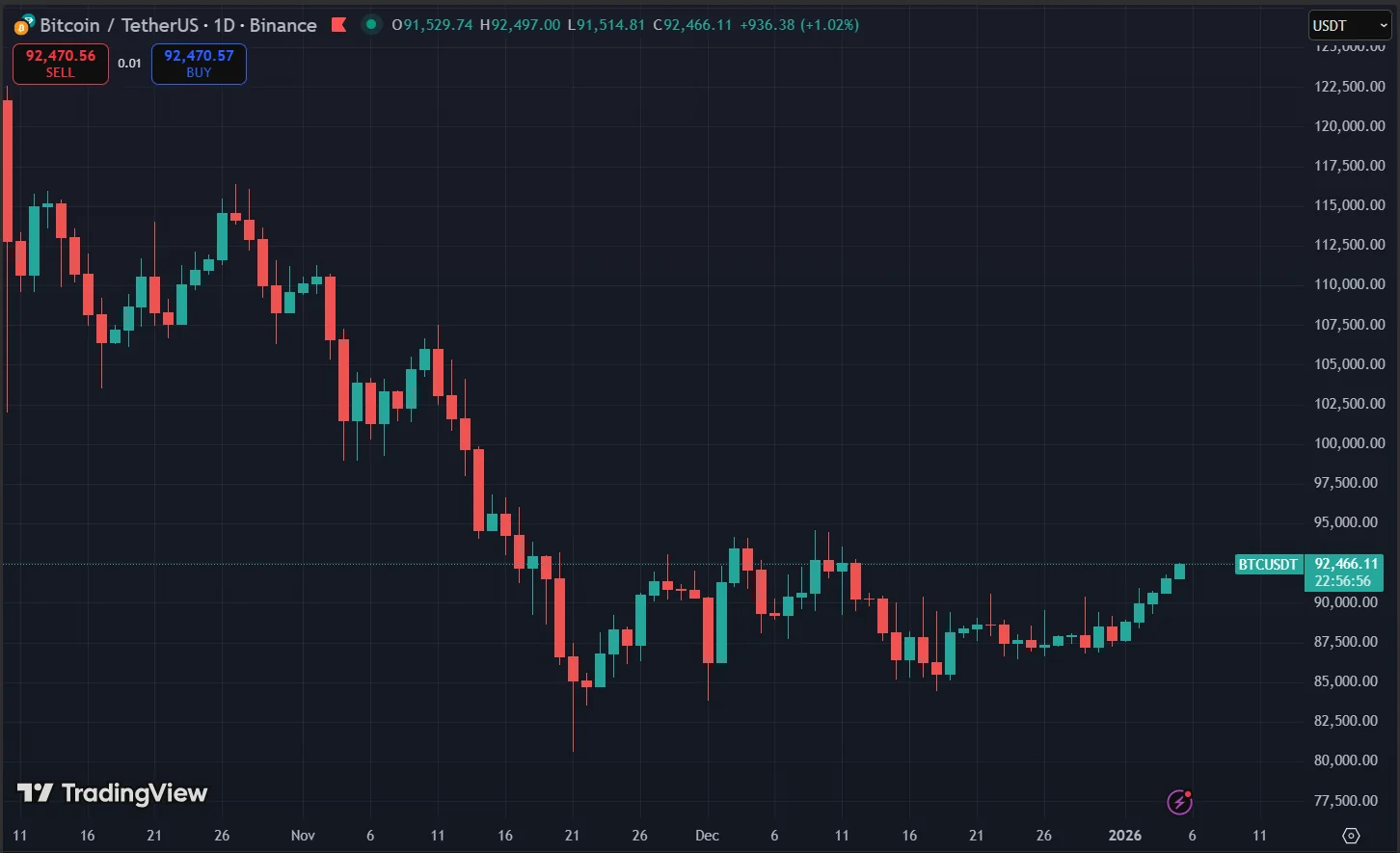
Pandl believes Bitcoin is well-positioned to set a new all-time high in the first half of 2026. The asset previously reached a record level of around $126,000 in early October before undergoing a significant pullback.
A Volatile—but Not Bearish—Year Ahead
Taking a more cautious stance, Greg Magadini, Director of Derivatives at Amberdata, agrees that the market is unlikely to enter a prolonged downturn—but warns that the road ahead will be far from smooth.
Magadini describes 2026 as a “volatile mix”, marked by sharp price swings in both Bitcoin and Ethereum.
“I think the front end of 2026 is going to be scary for crypto longs, and then great on the back end,” he said.
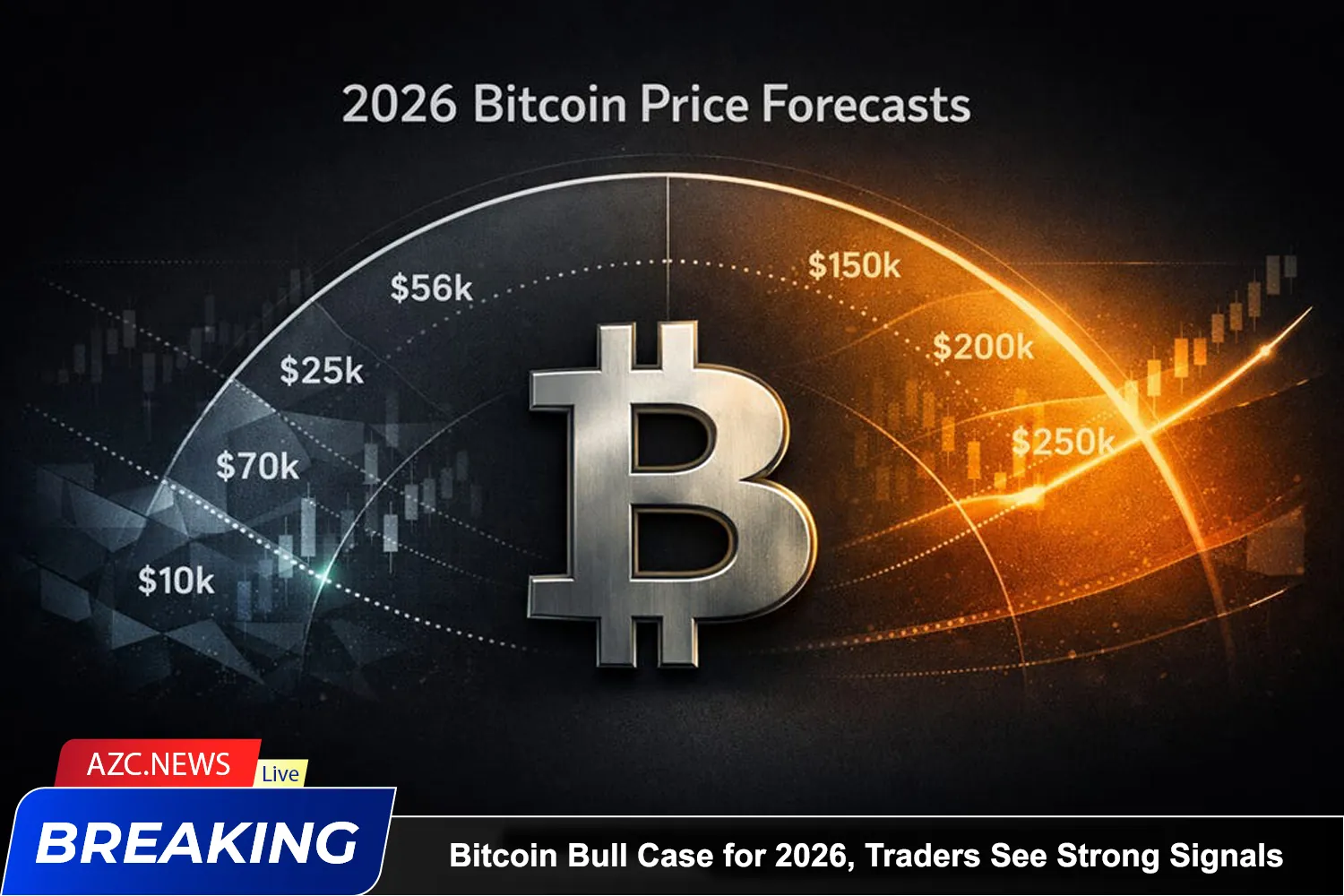
According to his outlook, Bitcoin could fall below $67,000 in the early months of the year, before staging a strong recovery and pushing to a new all-time high in the $150,000–$200,000 range.
Where the Analysts Disagree
The divergence in forecasts largely stems from differing views on what is driving the current bull market.
Magadini argues that crypto prices are now tightly linked to broader macroeconomic sentiment. He expects a credit crunch in early 2026 to weigh on markets, followed by a rebound once central banks step in to address the slowdown.
“Everything that’s crypto-specific is already priced in, and it’s been as good as it can be,” Magadini said.
Pandl, however, believes the durability of the crypto bull market will be shaped by two internal industry forces: growing demand for alternative stores of value, and further regulatory progress that accelerates crypto’s integration into the traditional financial system.
This perspective underpins Pandl’s optimism for Bitcoin, which he sees as increasingly established in a class of its own as a digital store of value. In contrast, altcoins—and Ethereum to a lesser extent—remain far more dependent on regulatory outcomes, particularly the fate of a U.S. crypto market structure bill expected to be debated next year.
If that legislation fails to pass, Pandl warns that altcoins—and potentially Ethereum—could face a much tougher 2026 than Bitcoin.